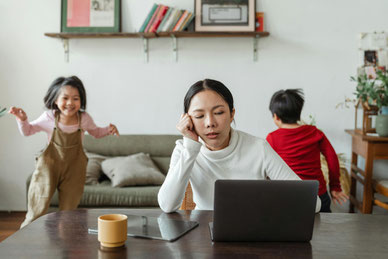
Parents are often the emotional anchors of a household, and when parental anxiety runs high, children tend to feel it—sometimes before anyone says a word. Anxiety in adults doesn’t stay neatly contained; it can spill into routines, reactions, and relationships, subtly shaping a child’s sense of safety and emotional balance.
In Brief: What to Watch and What Helps
Parental anxiety can show up in children as changes in behavior, mood, sleep, or confidence. The good news is that awareness is powerful: when parents notice their own stress patterns and take steps to manage them, children often regain a sense of calm and stability.
How Anxiety Quietly Travels from Parent to Child
Children learn more from what parents do than what they say. When worry becomes a constant background noise—frequent reassurance-seeking, catastrophizing small issues, or visible tension—kids may internalize the message that the world is unsafe or unpredictable.
Common pathways include:
- Emotional contagion: Kids mirror tone, facial expressions, and body language.
- Overprotection: Anxiety can lead to excessive monitoring or limiting independence.
- Inconsistent responses: Stress can make reactions sharper or less predictable.
Over time, these patterns can affect a child’s confidence, resilience, and emotional regulation.
Signs Your Anxiety May Be Affecting Your Child
Look for patterns rather than isolated moments. A single rough week doesn’t tell the whole story.
Possible indicators include:
- Increased clinginess or separation anxiety
- Physical complaints (stomachaches, headaches) without a clear cause
- Irritability, tantrums, or withdrawal
- Sleep disruptions or nightmares
- Avoidance of new situations or activities
These signs don’t mean you’ve done something “wrong.” They’re cues to pause and reflect.
A Simple Self-Check for Parents
Use this checklist as a gentle mirror—not a judgment.
Ask yourself:
- Do I often expect the worst-case scenario?
- Am I frequently seeking reassurance from my child?
- Do I avoid activities because they make me anxious?
- Does my stress spike during routine transitions (school drop-off, bedtime)?
- Have others commented on my tension or worry?
If you answered “yes” to several, it may be time to adjust how anxiety is managed at home.
Practical Ways to Address and Manage Parental Anxiety
Managing anxiety doesn’t require perfection; it requires consistency and compassion.
- Name emotions out loud: Calmly labeling your feelings (“I’m feeling nervous, but I can handle it”) models healthy coping.
- Create predictable routines: Structure reassures children and reduces uncertainty.
- Practice pause-and-breathe moments: Short grounding exercises before reacting can change the tone of an interaction.
- Encourage independence in small steps: Let children try age-appropriate challenges, even if it feels uncomfortable at first.
- Seek support: Therapy, parenting groups, or trusted friends can provide perspective.
When Work Stress Fuels Family Anxiety
Sometimes anxiety isn’t just personal—it’s situational. A demanding or unfulfilling job can drain emotional reserves, making patience at home harder to access. For some parents, improving career prospects can ease that pressure. Flexible online degree programs allow adults to build new skills while still working or caring for family.
Choosing a school known for support for nontraditional students can make a real difference. Strong institutional support—emotional guidance, practical planning help, and workplace-aligned resources—helps learners navigate stress, stay on track academically, and model resilience for their children.
How Children Often Respond—and How Parents Can Reframe It
|
Child Behavior |
What It Might Signal |
A Helpful Parent Response |
|
Clinginess |
Fear of uncertainty |
Offer reassurance, then gently encourage independence |
|
Irritability |
Emotional overload |
Validate feelings and keep responses calm |
|
Avoidance |
Learned anxiety |
Break tasks into manageable steps |
|
Perfectionism |
Fear of mistakes |
Praise effort, not outcomes |
This reframing helps parents respond with empathy rather than urgency.
Frequently Asked Questions
-
Can my child develop anxiety because I’m anxious?
Children can learn anxious patterns, but they can also learn coping skills when parents model them. -
Is it better to hide my anxiety from my child?
No. Age-appropriate honesty paired with coping strategies is healthier than pretending everything is fine. -
When should I seek professional help?
If anxiety interferes with daily functioning—for you or your child—or persists despite self-help efforts, professional support is a wise step.
A Final Word
Parental anxiety is common, understandable, and manageable. By noticing how stress shows up and choosing small, steady changes, parents can protect their own well-being while nurturing emotional security in their children. Calm isn’t the absence of worry—it’s the confidence that worry can be handled together.
Elevate your leadership and team performance with Mindful Life, Mindful Work, Inc. where Mindfulness Informed Coaching creates impactful results. Discover how our tailored solutions can transform your career or organization today!
---
Lacey Conner wants you to start thinking of your home as a place where you can improve your family’s wellness – both literally and figuratively. That's why she created familywellnesspro.com. Her website can help you make your home a fun and healthier place for your family to live and thrive in.